


Stop chasing vanity metrics. Start winning customers.
Local SEO is not optional for a service business. It sits at the center of customer acquisition because 46% of all Google searches carry local intent. That means a huge share of searches already includes the exact signal you care about most. Someone needs a nearby provider, and they are looking now.
That is why most small business SEO tips fail. They push broad traffic, generic blogging, and rankings for terms that never turn into booked jobs. A plumber does not need more visits from people reading DIY articles at midnight. A roofer needs to show up when someone searches “roof repair near me.” A dentist needs visibility for “emergency dentist” and “teeth whitening near me.” A pest control company needs clicks from people who already have a problem and want it solved fast.
At Transactional Marketing, we focus on transactional search terms. Those are the searches with money behind them. “AC repair near me.” “Chiropractor near me.” “Roofer in [city].” “Emergency plumber.” These are not curiosity searches. These are buyer searches. If your business shows up in the right spots for those terms, your phone rings, your schedule fills, and your website starts acting like a sales engine instead of a digital brochure.
This guide gives you a direct system for doing that. No fluff. No busywork. No obsession with empty traffic. Practical small business seo tips built for local service companies that want page-one visibility, stronger Google Maps performance, and more calls from people ready to hire.
1. Optimize Your Google Business Profile for Local Dominance
If you want more calls from buyers ready to book, win Google Maps first. Your Google Business Profile often decides who gets the lead before a searcher even visits a website.
The Local Pack is prime transactional real estate. For service businesses, that visibility captures high-intent searches such as “plumber near me,” “AC repair,” and “dentist open now.” These searchers are not researching. They are trying to hire someone.
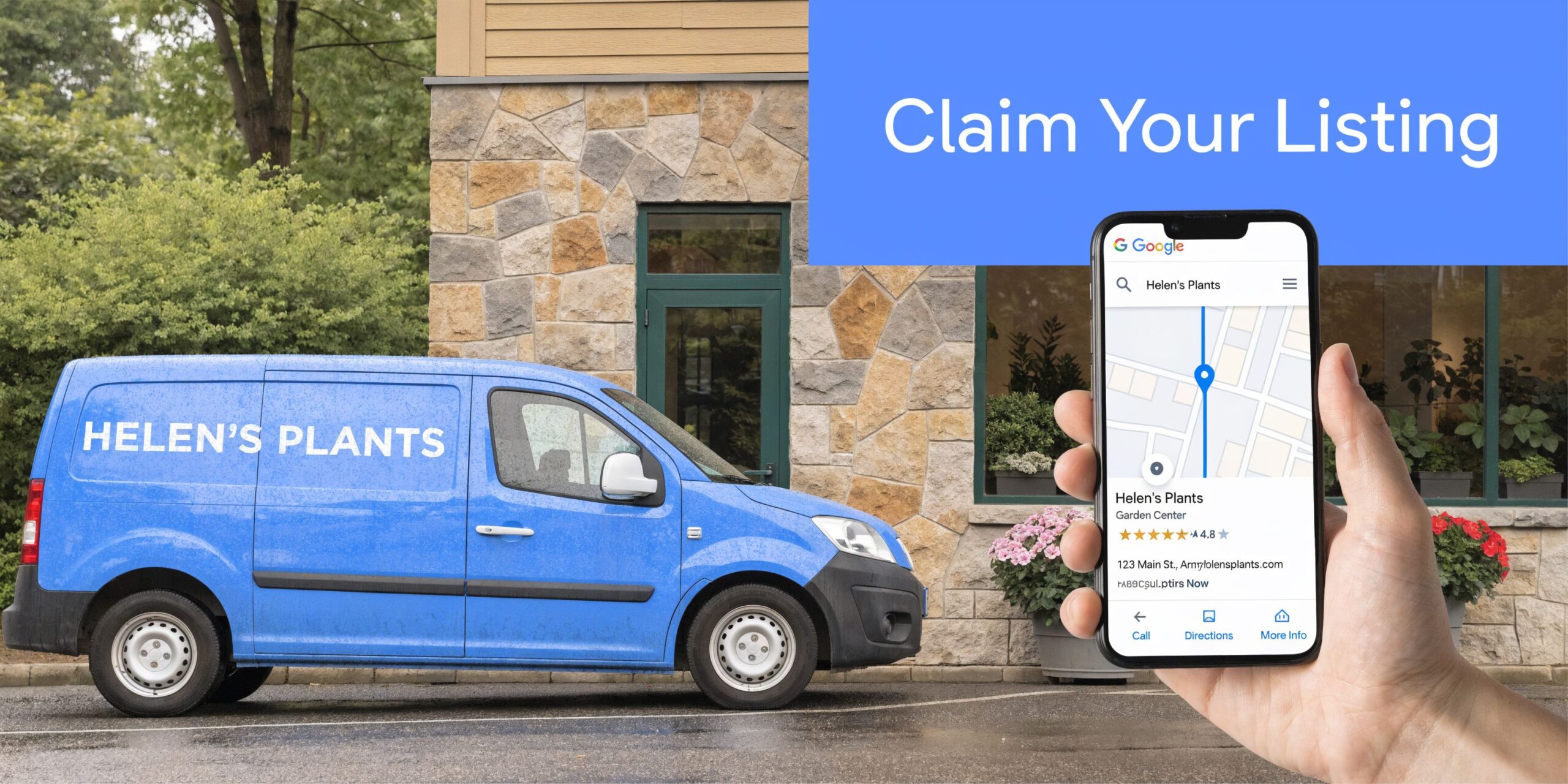
Start with the setup that affects rankings and conversion immediately. Claim the profile, verify it, choose the closest primary category to your main revenue service, then complete every field a buyer can see. That includes services, hours, service areas, appointment links, business description, attributes, and Q&A.
Accuracy matters. So does proof.
An HVAC company should upload real photos of technicians, service vans, AC installs, furnace replacements, and emergency repair jobs. A dental office should show the exterior, operatories, team members, and key services patients book. A pest control company should add images from inspection visits, treatment work, and branded vehicles in the areas it serves. Real media increases trust fast because it shows a business that is active, local, and ready to do the work.
What to fix first
Focus on the profile elements that influence local relevance and buyer confidence:
- Business details: Keep your business name, phone number, website, and address identical everywhere they appear online.
- Categories: Set your primary category around the service that drives the most revenue. Add secondary categories only when they match real services.
- Service areas: List only the cities and areas you serve.
- Photos: Use original photos from jobs, staff, office, and vehicles.
- Reviews and Q&A: Answer every review and question. Fast responses improve trust and help convert searchers who compare multiple providers.
- Posts: Publish updates tied to real services, seasonal demand, offers, and recent work.
An incomplete profile costs revenue. A well-built profile turns map impressions into calls, form fills, and booked jobs.
If you want the full process, use this guide on how to optimize Google Business Profile.
2. Build High-Intent Service Location Pages with Keyword Targeting
A service business that relies on one generic “areas we serve” page is leaving rankings on the table.
You need dedicated pages for each core service and each important city. Not thin pages. Not spun content. Real pages built around real search intent.
A roofing company should not stop at “Roofing Services.” It should build pages like “roof repair in Round Rock,” “storm damage roofing in Georgetown,” and “new roof installation in Cedar Park” if those are active service areas. A plumbing company should do the same with “water heater repair in [city]” and “emergency plumber in [city].”
What a strong location page includes
The page has to prove local relevance and buying intent at the same time.
Include:
- A clear transactional headline: Use service plus location.
- Unique copy: Write for that city, neighborhood, or service area specifically.
- Proof elements: Add reviews, project photos, job examples, and trust signals.
- Conversion paths: Include a phone number, quote form, and service CTA near the top.
Many small business SEO tips fail here. They tell owners to target city pages, but they never explain what makes those pages rank. Generic templates fail because they say the same thing on every page.
A pest control page for one suburb should talk about the pest issues common in that area. A dental page for a downtown location should mention emergency appointments, parking, nearby landmarks, and nearby patient demand. A med spa page should align service language to the treatments people search in that city.
Hyper-specific local keyword targeting matters here. One case study on a new domain found traction by building dedicated pages for underserved long-tail local terms instead of chasing broad state-level phrases, and the site gained organic growth without paid ads or backlinks according to this small business SEO case study from Esker Designs.
That is the play. Build pages for the terms competitors ignore because they are busy trying to rank for broad vanity keywords.
3. Master Keyword Research for High-Intent Service Terms
Keyword research for a service company is not about traffic. It is about buyer intent.
If you own an HVAC company, “how air conditioners work” is not the target. “AC repair near me” is. If you run a chiropractic office, “what does a chiropractor do” is not the best money term. “chiropractor near me” is. That distinction changes everything.
Strong keyword research starts in Google Search Console. Look at the queries that already trigger impressions and clicks. Then find the terms sitting on page two or page one with weak click performance. Those are often your fastest wins.
Focus on buyer language
Build keyword sets around these patterns:
- Service plus city: “roof repair in Mesa”
- Service plus urgency: “emergency dentist”
- Service plus problem: “burst pipe repair”
- Service plus modifier: “same day pest control”
- Near-me variants: “furnace repair near me”
The broad phrase may have more visibility, but the specific phrase often brings better leads because the searcher knows what they want.
One underused tactic is mining long-tail local terms in smaller towns and niche service combinations. Search Console, Ahrefs, and similar tools help expose those gaps. This is effective for businesses serving secondary markets where competition is lighter and intent is still strong.
If you want a practical framework, use these keyword research best practices as your baseline.
Mine real customer questions for AI and search visibility
AI search is changing what earns visibility. Google is surfacing more forum-style answers and practical question content. Service businesses should use that shift, not ignore it.
Pull questions from:
- Google Search Console
- Reddit threads
- Quora discussions
- Your sales and front desk staff
- Your call logs and intake forms
A roofer can publish content around “do I need a permit for roof replacement in [city].” A plumber can target “why does my basement drain back up after rain.” A dental office can answer “how fast can I get in for a cracked tooth.” Those searches often sit close to the transaction.
The best keyword list is not the biggest list. It is the list most likely to produce calls, bookings, and revenue.
4. Develop a Content Silo Structure for Service Authority
Most service websites are a mess. They have a homepage, a few service pages, some random blog posts, and no clear hierarchy. Google sees that confusion. Customers feel it too.
A content silo fixes the problem by organizing your site around clear service themes. That structure helps search engines understand what you do and helps buyers find the exact page that matches their need.
An HVAC site should group heating content under one section and cooling under another. Under heating, it should have pages for furnace repair, furnace installation, emergency furnace service, and maintenance. A pest control company should group termite, rodent, ant, and bed bug content into distinct silos. A dental site should separate cosmetic, restorative, emergency, and orthodontic topics.
Build the silo around core revenue services
Start with your highest-value services. Those deserve the pillar pages.
Then support each pillar with related pages:
- Primary service page: The main commercial page
- Support pages: Specific subservices and problem pages
- Local pages: Service plus city combinations
- Supporting articles: Questions, comparisons, and objections
AI optimization overlaps with SEO here. Large language models and AI-generated search experiences pull answers from well-structured, semantically clear content. If your site has a sloppy layout and shallow coverage, it becomes harder for both search engines and AI systems to understand your authority.
A med spa, for example, should not publish random disconnected posts on injectables, facials, and laser treatments. It should build clean clusters around each treatment category, supported by city-specific pages and direct conversion language. The same goes for chiropractors, roofers, and electricians.
A clear silo also improves internal linking. Your emergency plumbing page should link to drain cleaning, leak detection, water heater repair, and city-specific plumbing pages. That creates topical reinforcement, not scattered content.
One emerging local SEO angle is pairing these silos with community and collaboration signals. A Boulder SEO Marketing article on local SEO best practices highlights the overlooked value of cross-business collaboration, trusted local signals, and topic clustering for underserved audiences. For local service companies, that means your content architecture should support both authority and local trust.
5. Build Local Citations and NAP Consistency Across Directories
Citations are boring. They are also necessary.
If your business name, address, and phone number are inconsistent across the web, you weaken local trust signals. Search engines use those listings to verify that your business is legitimate and tied to a real service area. Customers use them to decide whether you look established or sloppy.
NAP consistency means the same business details appear the same way everywhere. Not one version on your website, another on Yelp, and another on your chamber listing.
Clean up the core listings first
Do not try to submit to every directory on day one. Fix the high-value citations first.
Prioritize:
- Google Business Profile
- Yelp
- Better Business Bureau
- Apple Business Connect
- Bing Places
- Industry-specific directories
- Local chamber of commerce and city business listings
If you are a dentist, Healthgrades and similar healthcare directories matter. If you are in home services, industry-specific platforms and local contractor directories can carry weight. If you operate in a smaller town, your chamber listing may matter more than a generic national directory.
That local relevance matters. In underserved markets, niche and community directories can outperform more general platforms because they reinforce local legitimacy and local relationships.
Use a spreadsheet. Track every listing, login, verification status, and business details. If your phone number changes, update every citation. If your hours change, update every citation. If you move offices, clean it all up immediately.
You can use this process for citation building for local SEO to tighten the foundation.
Make citations support transactional rankings
Citations alone do not rank a site. They support the assets that do. A clean citation profile strengthens your Google Business Profile, your location pages, and your ability to appear consistently for service-plus-location searches.
A plumbing company with accurate city listings, matching phone data, and strong service pages sends a clearer local signal than a competitor with scattered business information and duplicate listings.
That is the point. Remove ambiguity. Search engines rank clarity.
6. Use Customer Reviews and Testimonials for Rankings and Conversions
Reviews close local buyers who are already ready to hire. They also strengthen the trust signals that support local visibility. If your business depends on calls, appointments, and quote requests, reviews belong in your sales process, not on a marketing wish list.
A five-star profile with recent, specific feedback gives searchers a reason to choose you now. A stale profile with vague comments does not. Transactional SEO is about capturing demand from people with money in hand, and reviews help convert that demand the moment your business appears in search.
Timing decides whether review requests work. Ask right after the win. Right after the AC starts blowing cold again. Right after the pest issue is handled. Right after the patient leaves relieved and satisfied. That is when the customer feels the result, and that is when you get the clearest, most persuasive feedback.
Build a repeatable review process
Set a standard process and make staff follow it every time:
- Ask at the point of satisfaction: Train technicians, front desk staff, and account managers to ask only after a successful outcome.
- Send the review link immediately: Text or email the Google review link while the experience is still fresh.
- Follow up once: One reminder is enough. More than that starts to feel pushy.
- Reply to every review: Thank happy customers. Address negative reviews with a calm, specific response.
If you need a practical system, follow this process for getting more customer reviews consistently.
Turn reviews into conversion assets
Do not leave your best proof trapped on third-party platforms. Put strong testimonials on the pages that drive revenue.
Use them on:
- Service pages
- Location pages
- Homepage sections
- Quote request pages
- Case study content
Match the testimonial to the service and the buying decision. A roofer should place a storm repair review on the storm damage page. A chiropractor should place a lower back pain testimonial on that treatment page. A med spa should use treatment-specific feedback on the exact service page where a prospect is deciding whether to book.
Specific reviews sell better than generic praise. Ask customers to mention the service, the outcome, and the city. That gives future buyers stronger local proof and gives your pages more relevance for service-plus-location searches.
7. Create Conversion-Focused Content Targeting Customer Intent
Traffic does not pay you. Buying intent does.
This section matters because transactional SEO only works when your content helps a ready-to-book prospect take the next step. A search like “emergency water heater repair” signals urgency and a clear need. A search like “veneers cost in [city]” signals comparison, budget concerns, and strong purchase intent. Those are not blog topics for awareness. They are revenue pages in disguise.
Build content around the moment a prospect is deciding whether to call, book, or request a quote.
Write pages that remove friction and push the lead to act
Start with real sales objections. Your front desk, estimators, technicians, and providers hear them every day. Turn those objections into pages that answer the question, reduce hesitation, and make contacting you feel like the obvious move.
A plumbing company should publish a page on slab leak warning signs, what the repair process looks like, and when the problem needs immediate attention. A roofing contractor should publish a page on storm damage inspections, insurance paperwork, and repair timelines. A dental office should create treatment comparison pages that help patients choose between whitening, veneers, and clear aligners. A pest control company should publish termite warning sign pages tied directly to an inspection request.
Each page needs a job. Get the visitor to call. Get the visitor to submit the form. Get the visitor to book.
Make that path easy. Put the phone number near the top. Keep forms short. Use a direct call to action such as “Schedule an inspection,” “Request a quote,” or “Call now.”
The same principle shows up across local SEO wins. A Chicago bakery that targeted a high-intent local query and tightened its local presence increased visibility and revenue because the content matched what nearby buyers were already looking for. Different service, same rule. Go after searches tied to action, not empty traffic.
Structure content so search engines and buyers understand it fast
Clarity converts. It also helps search engines interpret the page correctly.
Use clear headings, direct answers, short paragraphs, and FAQ sections only when they support a buying decision. Add service-specific schema where it fits. Use precise language around the service, the problem, and the city you serve.
Do not bury commercial details. If pricing factors, timelines, availability, warranties, financing, or service areas affect the decision, put them on the page. Buyers want specifics before they contact you. Search engines reward pages that fully satisfy that intent.
Loose educational content has its place, but small business SEO tips work best when they focus on transactional searches with clear commercial value. If a page cannot help a prospect move closer to booking, it should not be a priority.
8. Monitor Rankings, Track Performance, and Optimize Based on Data
SEO that does not produce booked jobs is a reporting exercise, not a growth channel.
Transactional SEO lives or dies on attribution. You need to know which searches bring in calls, form fills, appointments, and closed revenue by service and by city. If you cannot tie visibility to sales activity, you cannot scale what works or cut what does not.
Start with Google Search Console and Google Analytics 4. Add rank tracking by location. Add call tracking. Then build a simple reporting view around the actions that lead to revenue.
Watch the metrics that matter
Track performance at the page and query level, not just at the domain level. Focus on:
- Keyword rankings by city and service
- Google Business Profile visibility
- Organic clicks and impressions
- Phone calls from organic traffic
- Form submissions
- Appointment bookings
- Landing pages that produce leads
Small businesses often waste money here. They celebrate higher rankings for broad terms while their emergency, repair, or same-day pages produce the most valuable leads.
A roofing company might learn that storm damage pages drive more qualified calls than general roofing terms. A chiropractor might find that “sciatica chiropractor near me” brings in stronger consultations than broad chiropractic keywords. A dental office may see emergency intent outperform cosmetic terms for immediate bookings. Those are the signals that deserve more budget, better pages, and faster iteration.
Use data to sharpen your local strategy
Search Console query data is one of the fastest ways to find buying intent you did not plan for. Look for city modifiers, urgent service phrases, and problem-specific searches that already earn impressions or clicks. Then tighten the page title, heading structure, copy, and call to action around those terms.
Review weak markets against strong ones. Compare the service page, the Google Business Profile setup, review volume, citation coverage, and lead rate. If one city ranks but does not convert, fix the offer, trust signals, or call handling. If one city does not rank at all, build the asset set that supports transactional visibility.
Use a schedule. Review rankings and lead flow every two weeks. Review closed-job data every month. Keep the pages that generate revenue. Rewrite the pages that attract weak traffic. Remove effort from keywords that look good in a dashboard but never turn into customers.
Local buying decisions happen fast, especially on mobile. Weak tracking breaks the chain between the search, the call, and the sale. Then you miss the top performers.
Ignore vanity gains. Put your attention on the pages, queries, and locations that turn local intent into revenue.
8-Point Small Business SEO Comparison
| Strategy | Implementation complexity | Resource requirements | Expected outcomes | Ideal use cases | Key advantages |
|---|---|---|---|---|---|
| Optimize Your Google Business Profile (GBP) for Local Dominance | Low–Medium (initial 2–4 hrs, ongoing weekly) | Time, photos, basic profile management tools | Improved local/map visibility, more calls and direction requests | Single-location and multi-location service businesses targeting local customers | Free to use, direct customer channel, builds trust via reviews |
| Build High-Intent Service Location Pages with Keyword Targeting | Medium–High (4–6 hrs per page; multi-location rollout weeks) | Content writers, SEO research, developer for templates | Rankings for location-specific high-intent queries and increased organic leads | Multi-location businesses or services targeting many cities/regions | Captures ready-to-buy searches; scalable per-location ranking opportunities |
| Master Keyword Research for High-Intent Service Terms | Medium (6–8 hrs initial; ongoing) | Paid keyword tools, analyst time, Search Console access | Better-targeted content, higher conversion probability, improved ROI | Any service business planning SEO or content strategy | Focuses effort on converting queries; reveals competitor gaps |
| Develop a Content Silo Structure for Service Authority | High (planning + 8–12 weeks initial build) | Significant content production, editorial planning, site restructuring | Stronger topical authority, improved UX, multiplied ranking opportunities | Businesses with multiple services seeking long-term authority | Signals expertise to search engines; improves internal linking and scaling |
| Build Local Citations and NAP Consistency Across Directories | Medium (audit 8–12 hrs; full: 3–4 weeks) | Time to claim listings or citation management tools/services | Better local pack performance and local credibility | Local businesses and multi-location brands ensuring consistent presence | Reinforces legitimacy, drives referral traffic, many listings are low-cost |
| Use Customer Reviews and Testimonials for Rankings and Conversions | Low–Medium (setup 2–3 hrs; ongoing daily monitoring) | Review management system, staff processes for requests/responses | Higher conversions, improved local rankings, stronger social proof | Trust-dependent services (home services, healthcare, contractors) | Direct impact on trust and conversions; generates user content |
| Create Conversion-Focused Content Targeting Customer Intent | Medium–High (6–10 hrs per asset; ongoing) | Copywriting, UX/CRO expertise, analytics for testing | Increased lead capture and booking rates from organic traffic | Services needing to convert visitor intent into booked jobs or calls | Directly improves conversions by addressing objections with CTAs |
| Monitor Rankings, Track Performance, and Optimize Based on Data | Medium (setup 4–6 hrs; ongoing 3–4 hrs/month) | Analytics platforms, rank trackers, reporting tools, analyst time | Data-driven optimization, clearer ROI, faster issue detection | Any service business investing in scalable SEO and measurable growth | Informs priorities with evidence; enables timely strategic adjustments |
Your Blueprint for Transactional SEO Dominance
Small business SEO is not complicated. Most businesses approach it backward.
They chase traffic instead of buyers. They publish content for broad informational terms instead of transactional searches. They obsess over impressions, vanity rankings, and random blog topics while competitors take the searches that convert into revenue.
That is why transactional SEO wins.
When someone searches for a service with local intent, they are not looking for entertainment. They are looking for a provider. They want a roofer, a dentist, a pest control company, a chiropractor, a med spa, or an HVAC contractor who can solve a problem now. Your job is to become the obvious choice in that moment.
That starts with your Google Business Profile. If your profile is fully built out, actively managed, and supported by reviews, photos, service descriptions, and correct business information, you give yourself a real shot at the local pack. That visibility matters because map results attract high-intent clicks and fast decisions.
Then your website has to do its part. Dedicated service pages, city pages, and clean content silos give search engines a clear understanding of what you do and where you do it. They also give customers better landing pages. A homeowner in one city should land on a page built for that city and the exact service they need, not on a vague homepage that forces them to dig for answers.
Keyword research needs the same discipline. Stop building around broad phrases that look impressive but attract weak traffic. Focus on searches with obvious buyer intent. Service plus city. Service plus urgency. Service plus problem. Near-me phrases. The terms that indicate someone is ready to call, request a quote, or schedule.
Reviews, citations, and conversion-focused content reinforce the entire system. Reviews build trust fast. Citations strengthen local legitimacy. Content that answers pricing questions, service objections, and urgent customer concerns turns visibility into action. Add AI-friendly structure on top of that, and your business becomes easier to surface in both traditional search and AI-driven discovery.
Finally, track what matters. A page-one ranking that never produces a lead is not a win. A Google Maps placement that produces calls is. A service page that drives quote requests is. A city page that consistently attracts ready-to-buy traffic is. The purpose of SEO is not to look busy. The purpose is to generate booked jobs, new patients, and measurable revenue.
That is the blueprint we use at Transactional Marketing. We do not build campaigns around vanity metrics. We build around transactional search terms. We push hard on Google Maps. We target the exact searches people use when they have money in hand and need a provider in their city. That is how local service businesses stop competing on noise and start dominating the searches that matter most.
If you want your website to stop acting like a brochure and start acting like a lead machine, use this framework. Tighten your GBP. Build better location pages. Target buyer keywords. Structure your site for authority. Strengthen reviews and citations. Measure outcomes relentlessly.
Do that well, and local search becomes one of the strongest revenue channels in your business.
Transactional LLC helps service businesses dominate the searches that lead to real jobs, calls, and patients. If you want stronger Google Maps visibility, better rankings for transactional search terms, and an SEO strategy built around measurable revenue, visit Transactional LLC. Their team builds industry-specific local SEO systems, AI-driven content silos, citation strategies, and conversion-focused service pages designed to put your business in front of buyers who are ready to hire.